.png)
Tel: +86-18964591791

E-mail: contactus@handa-power.com

WHAT ARE YOU LOOKING FOR?

.png)

.png)
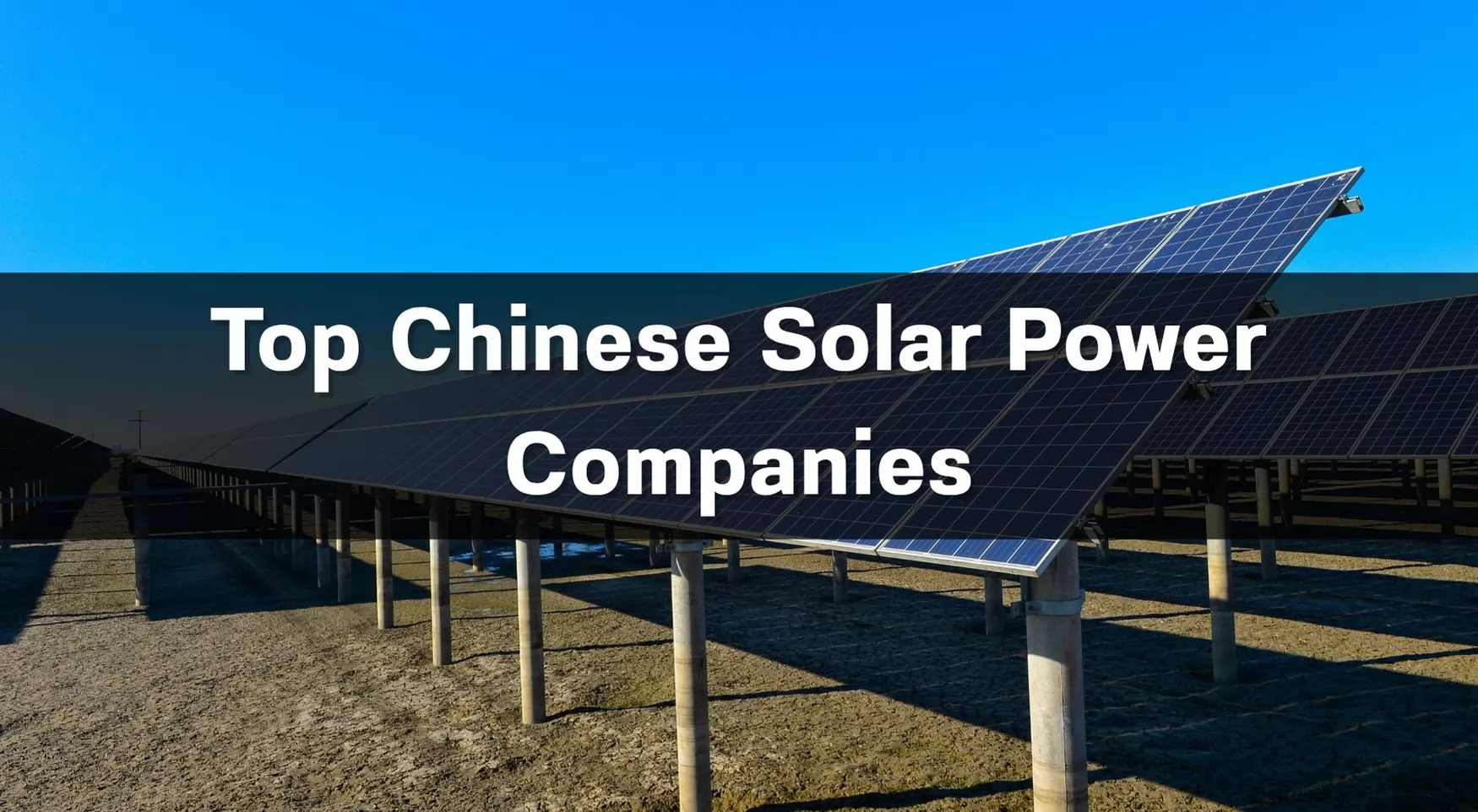
China has established itself as the primary manufacturing base across every stage of the global photovoltaic value chain. According to energy industry tracking data from the International Energy Agency (IEA), domestic facilities in China produce the vast majority of the world's upstream polysilicon, silicon wafers, midstream PV cells, and finished solar modules. For international procurement managers, EPC contractors, project developers, and institutional investors, sourcing from China involves navigating a sophisticated market of distinct business models, operational scales, and specialized capabilities.
While headline discussions often group supplier brands together, individual market leaders occupy vastly different positions along the photovoltaic value chain. Some specialize exclusively in high-purity silicon refining and wafer pulling, others dominate cell architecture commercialization or power electronics conversion, and several operate fully integrated end-to-end solar platforms. Evaluating chinese solar power companies requires looking beyond gross gigawatt production capacity to analyze specific technology roadmaps, supply chain transparency, structural bankability, and operational roles.
| Top 10 Chinese Solar Power Companies in 2026 |
|---|
| 1. JinkoSolar Holding Co., Ltd. |
| 2. LONGi Green Energy Technology Co., Ltd. |
| 3. Trina Solar Co., Ltd. |
| 4. JA Solar Technology Co., Ltd. |
| 5. Tongwei Solar |
| 6. Sungrow Power Supply Co., Ltd. |
| 7. Astronergy / CHINT Solar |
| 8. Risen Energy Co., Ltd. |
| 9. GCL System Integration Technology |
| 10. DAS Solar Co., Ltd. |
Founded: 2006
Profile:
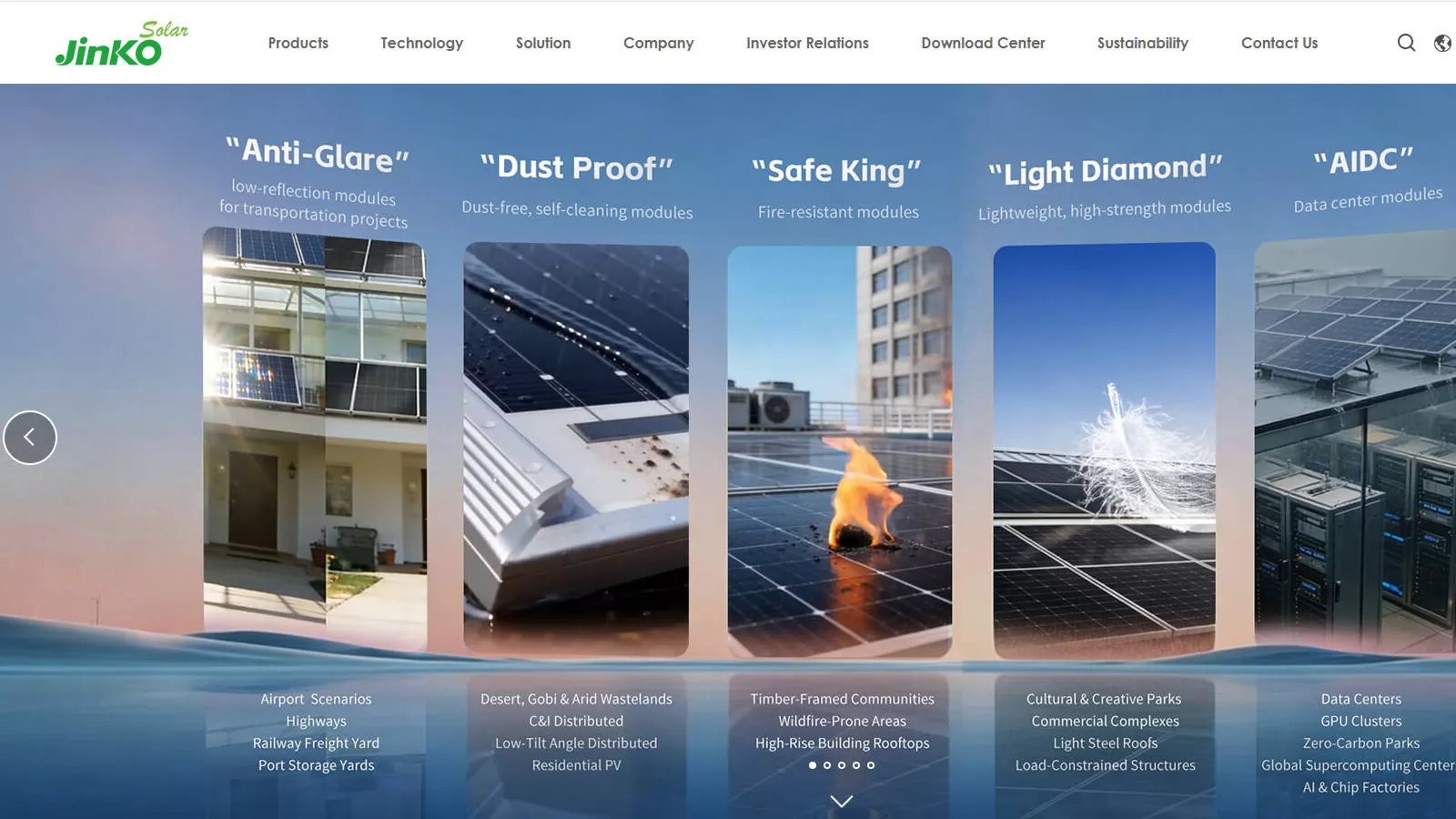
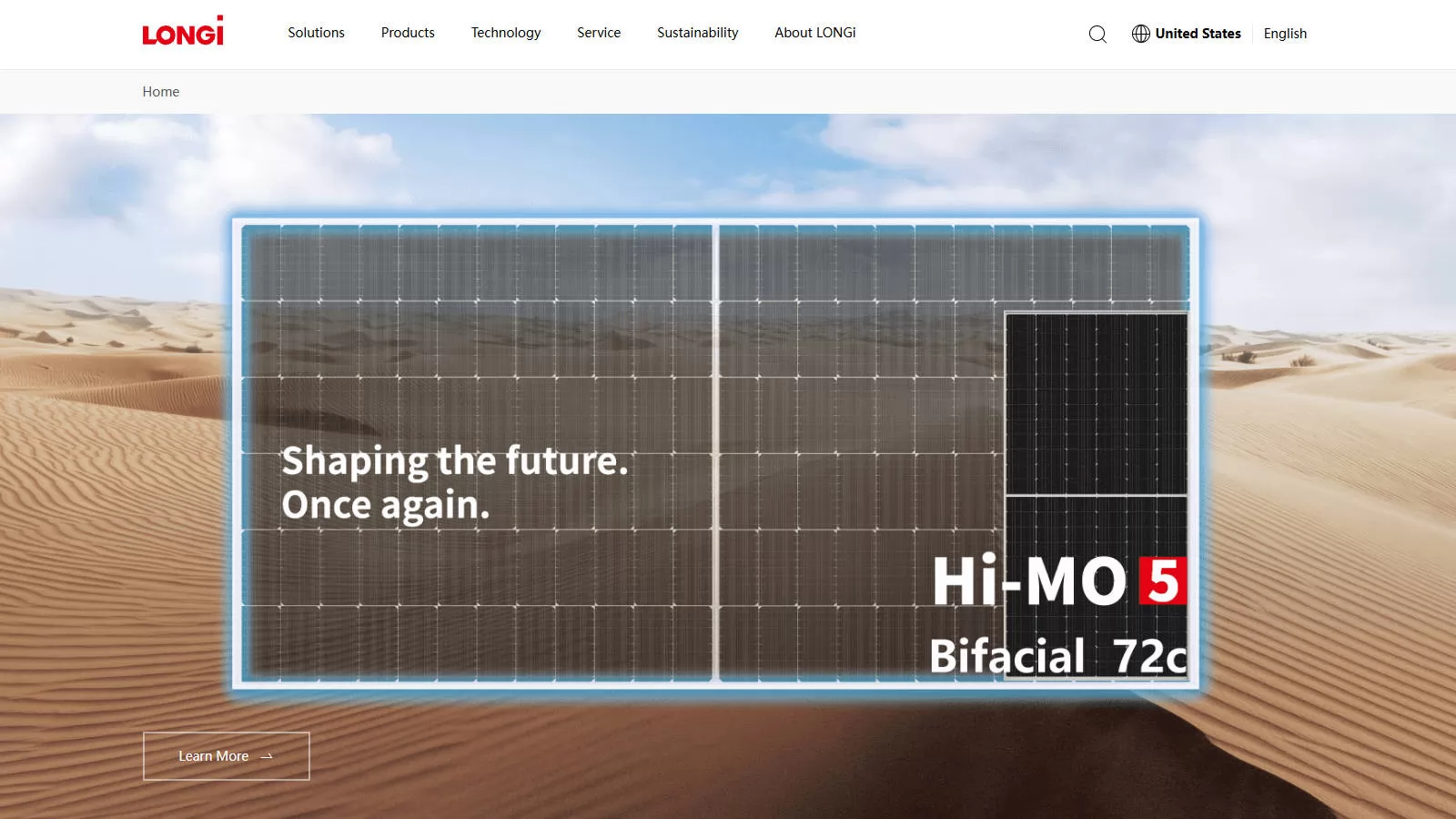
Headquartered in Shanghai, JinkoSolar operates as a vertically integrated module manufacturer with production facilities distributed across China and international manufacturing hubs. The company built its market presence by pioneering the large-scale commercialization of N-type TOPCon (Tunnel Oxide Passivated Contact) cell technology, accelerating the industry's shift away from legacy P-type PERC structures. For procurement managers comparing chinese solar power companies for utility-scale and commercial projects, JinkoSolar provides extensive global logistics coverage supported by strong tier-1 bankability ratings.
Products:
Highlights:
Founded: 2000
Profile:
Based in Xi'an, Shaanxi Province, LONGi Green Energy originally established its market dominance as a specialized producer of monocrystalline silicon wafers before expanding downstream into cell and module manufacturing. LONGi serves a dual role in the market: operating as a merchant wafer supplier to third-party cell makers while manufacturing its own branded modules. For buyers evaluating technology roadmaps, LONGi focuses heavily on back-contact architectures, commercializing Hybrid Passivated Back Contact (HPBC) platforms engineered for enhanced front-side power absorption and architectural aesthetics.
Products:
Highlights:
Founded: 1997
Profile:
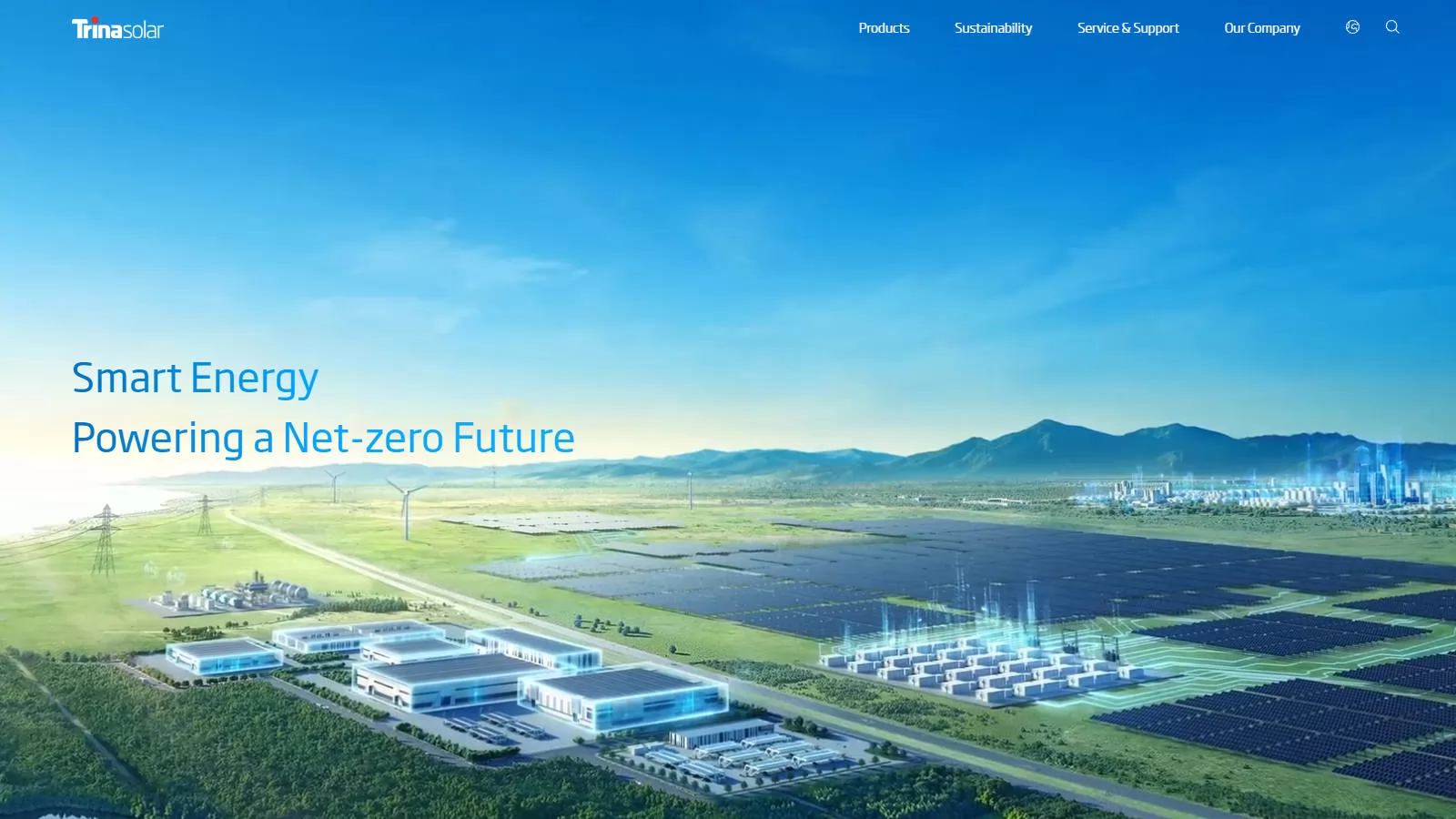
Changzhou-based Trina Solar is one of the foundational module brands in the Chinese photovoltaic sector. Rather than remaining exclusively a hardware manufacturer, Trina has transitioned into an integrated solar and storage solution provider. For international developers evaluating chinese solar companies for utility-scale ground mounts, Trina is recognized for driving 210mm (G12) large-format wafer standards and rectangular cell designs that lower system balance-of-plant costs and Levelized Cost of Electricity (LCOE).
Products:
Highlights:
Founded: 2005
Profile:
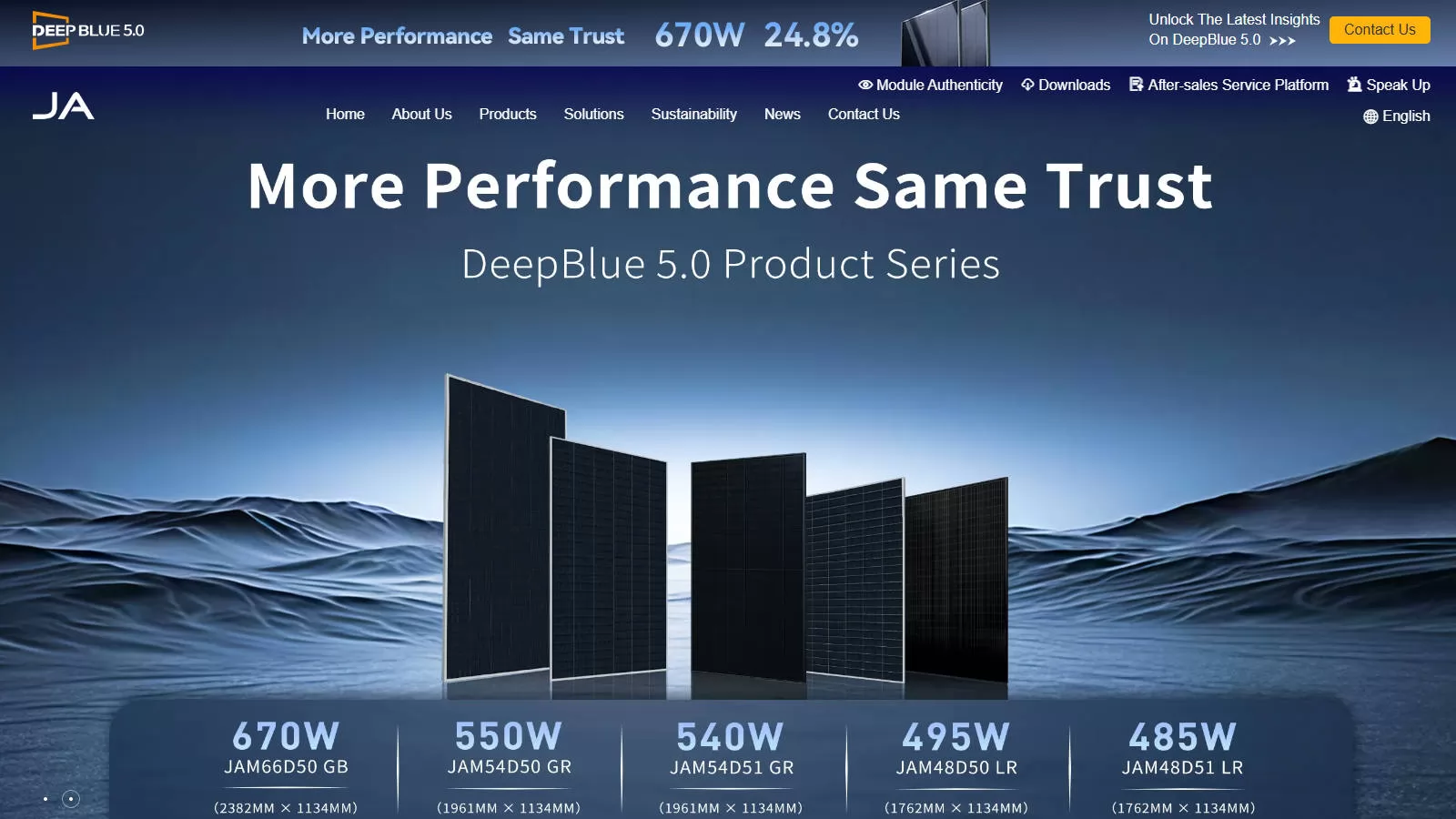
JA Solar, headquartered in Beijing, maintains a balanced operational structure across silicon wafer, cell, module, and power station development. The company operates a high internal self-sufficiency ratio, meaning a substantial portion of its module production uses internally fabricated cells and wafers. For commercial buyers sourcing from China PV manufacturers, JA Solar offers a reliable supply profile focused on structural module durability, strict mechanical load testing, and stable temperature coefficients across residential, C&I, and utility projects.
Products:
Highlights:
Founded: 1982 (Group) / 2006 (Photovoltaic Entry)
Profile:
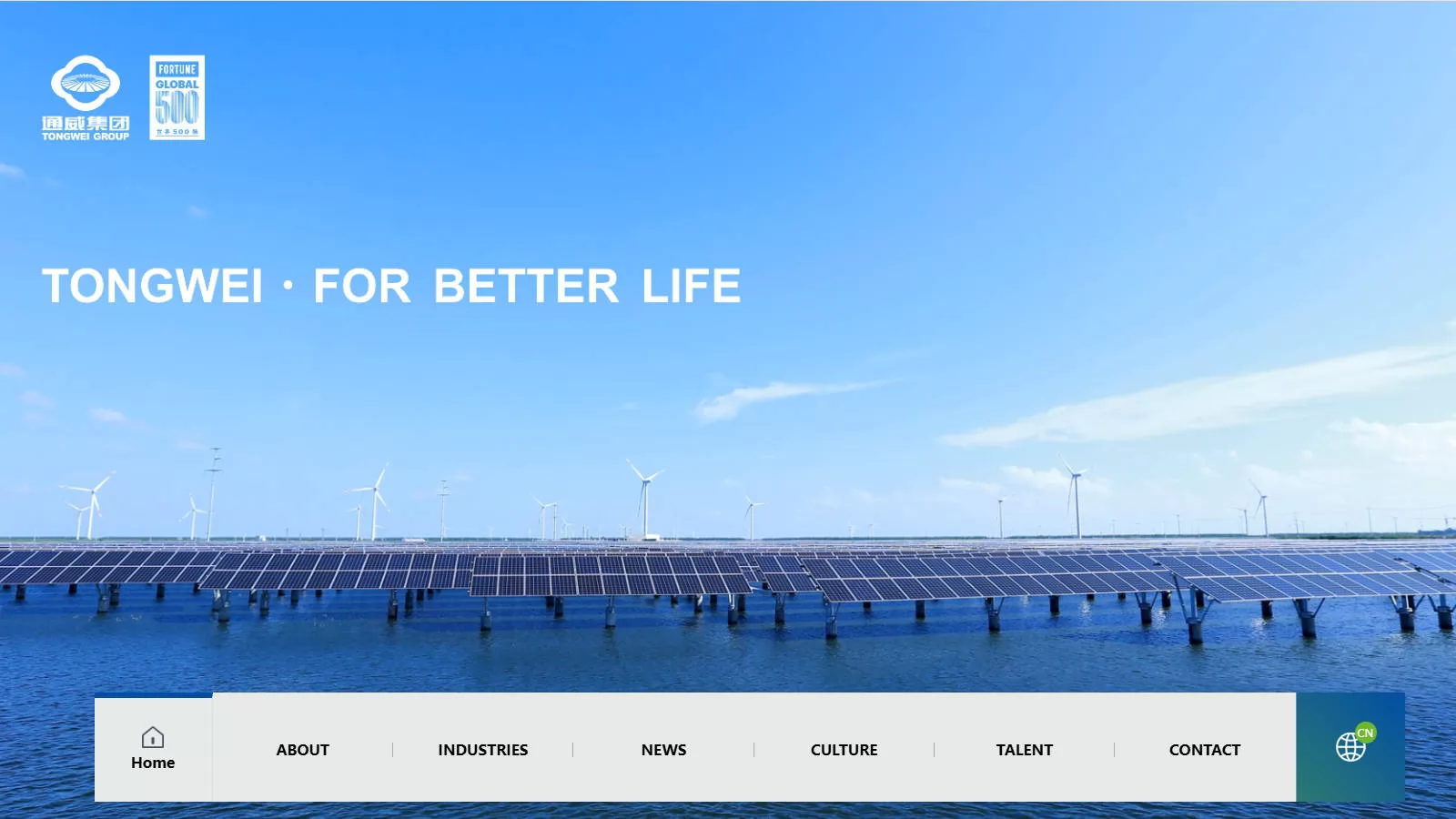
Unlike pure-play module brands, Tongwei entering the PV market stemmed from upstream chemical and material manufacturing. The company established global dominance in high-purity polysilicon production (via Yongxiang Polysilicon) and merchant monocrystalline cell fabrication. By expanding into downstream module manufacturing, Tongwei created an integrated corporate structure among solar companies in China. Buyers sourcing from Tongwei engage with an enterprise that controls raw chemical silicon inputs through to the final panel.
Products:
Highlights:
Founded: 1997
Profile:
Sungrow Power Supply, based in Hefei, represents a specialized power electronics manufacturer within the Chinese solar industry. The company does not produce solar panels; instead, it provides the power conversion systems required to process generated direct current (DC) into grid-compliant alternating current (AC). For EPC contractors and plant developers, Sungrow is a primary vendor for string and central inverters, as well as integrated containerized energy storage platforms designed for grid-forming applications.
Products:
Highlights:
Founded: 1984 (CHINT Group) / 2006 (Astronergy)
Profile:
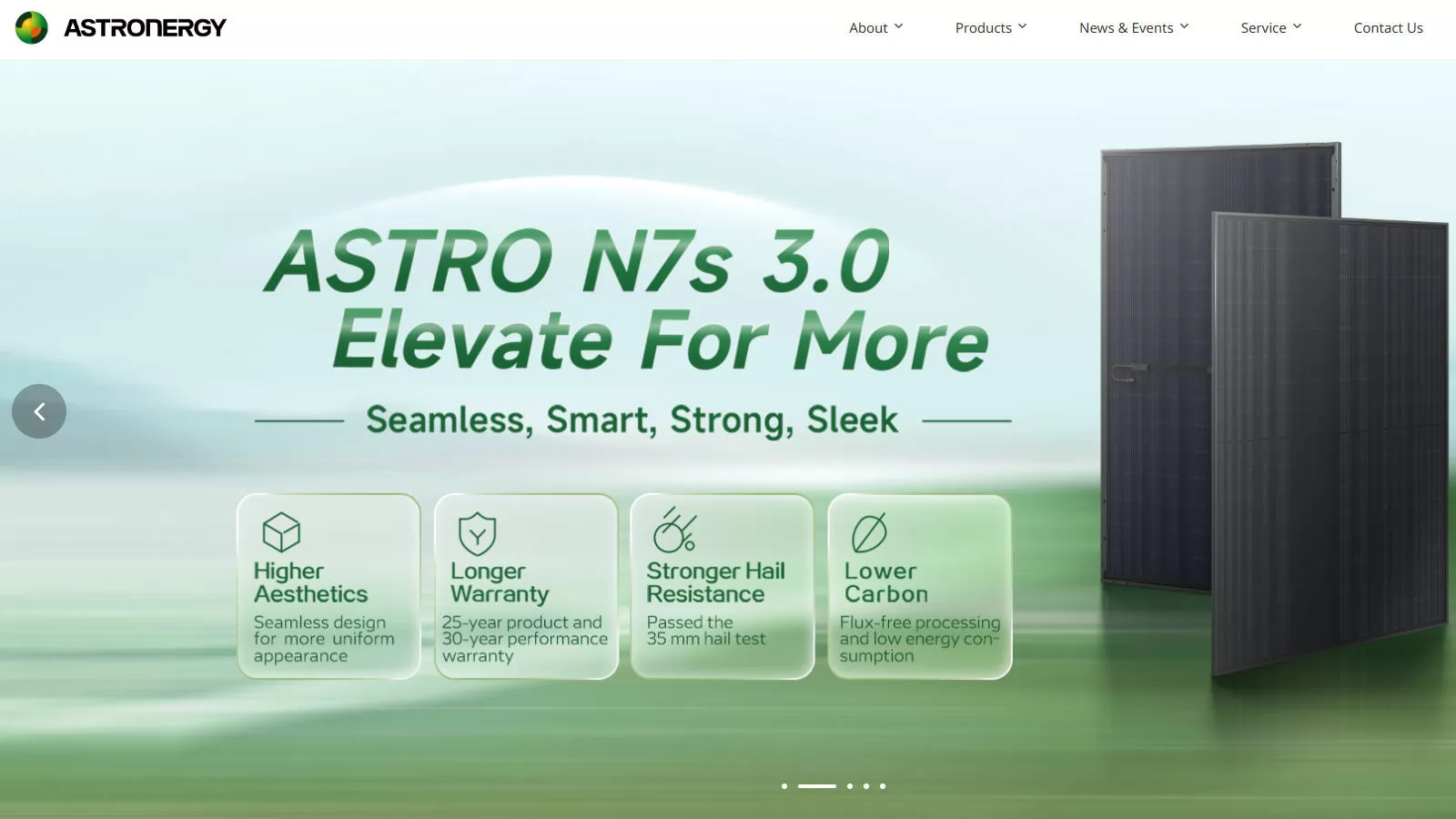
Astronergy operates as the solar manufacturing business unit of CHINT Group, a major player in industrial electrical hardware and power distribution. This structural alignment differentiates Astronergy from pure-play solar producers. When international buyers evaluate Astronergy, they gain access to integrated hardware ecosystems—combining high-efficiency TOPCon PV modules with CHINT’s low-voltage transformers, switchgear, and grid-connection equipment required for complete balance-of-plant construction.
Products:
Highlights:
Founded: 1986 (Established) / 2002 (PV Business Entry)
Profile:
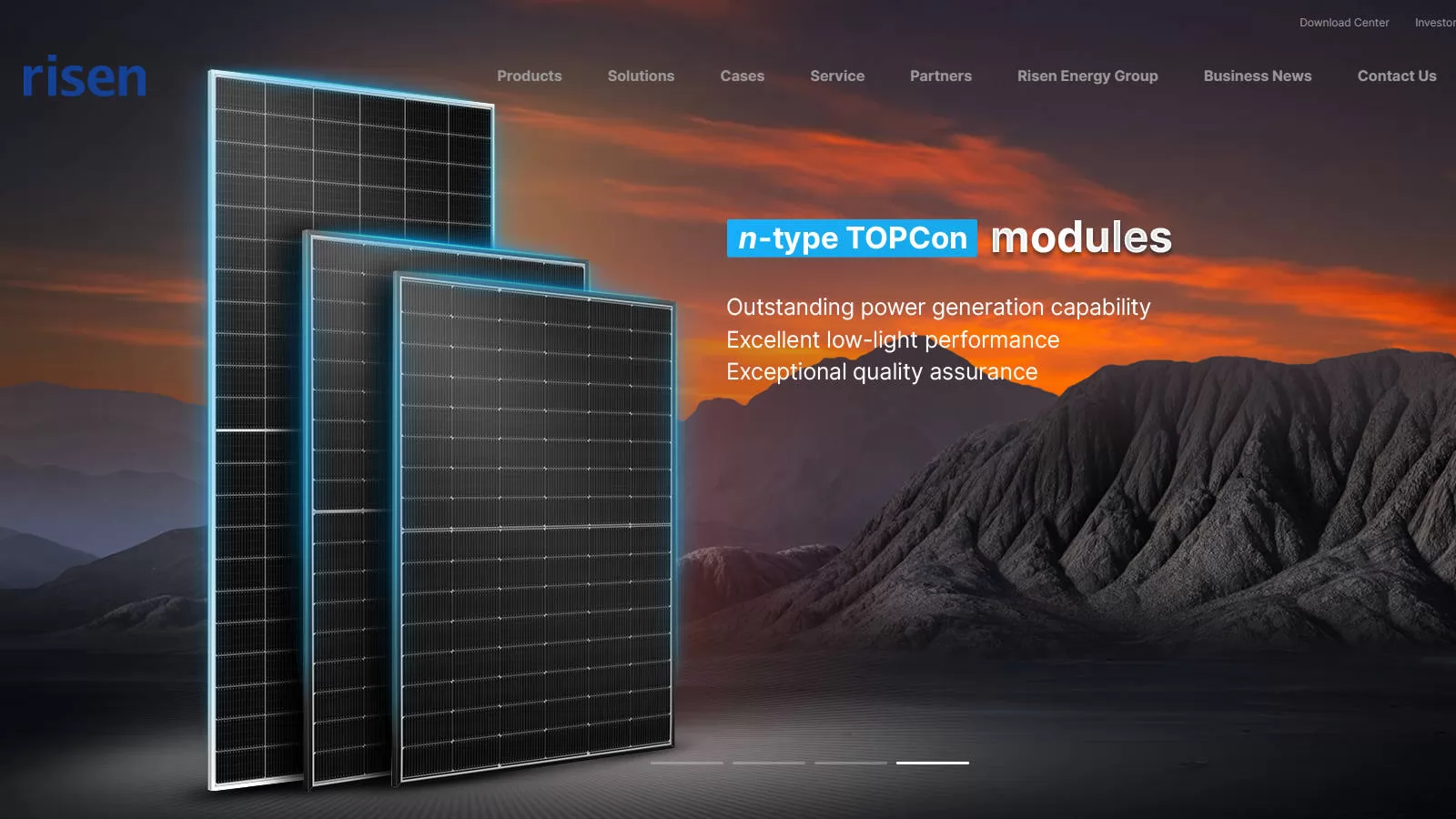
Located in Ninghai, Zhejiang Province, Risen Energy is a publicly listed manufacturer focusing on advanced solar cell technology and modular energy storage hardware. Risen has positioned its technology roadmap around commercializing Heterojunction (HJT) cell architectures and ultra-thin silicon wafers. For procurement teams researching chinese solar power companies with a focus on high efficiency and low temperature coefficients, Risen offers specialized HJT panels engineered for high performance in hot climates.
Products:
Highlights:
Founded: 1990 (GCL Group) / 2003 (GCL SI)
Profile:
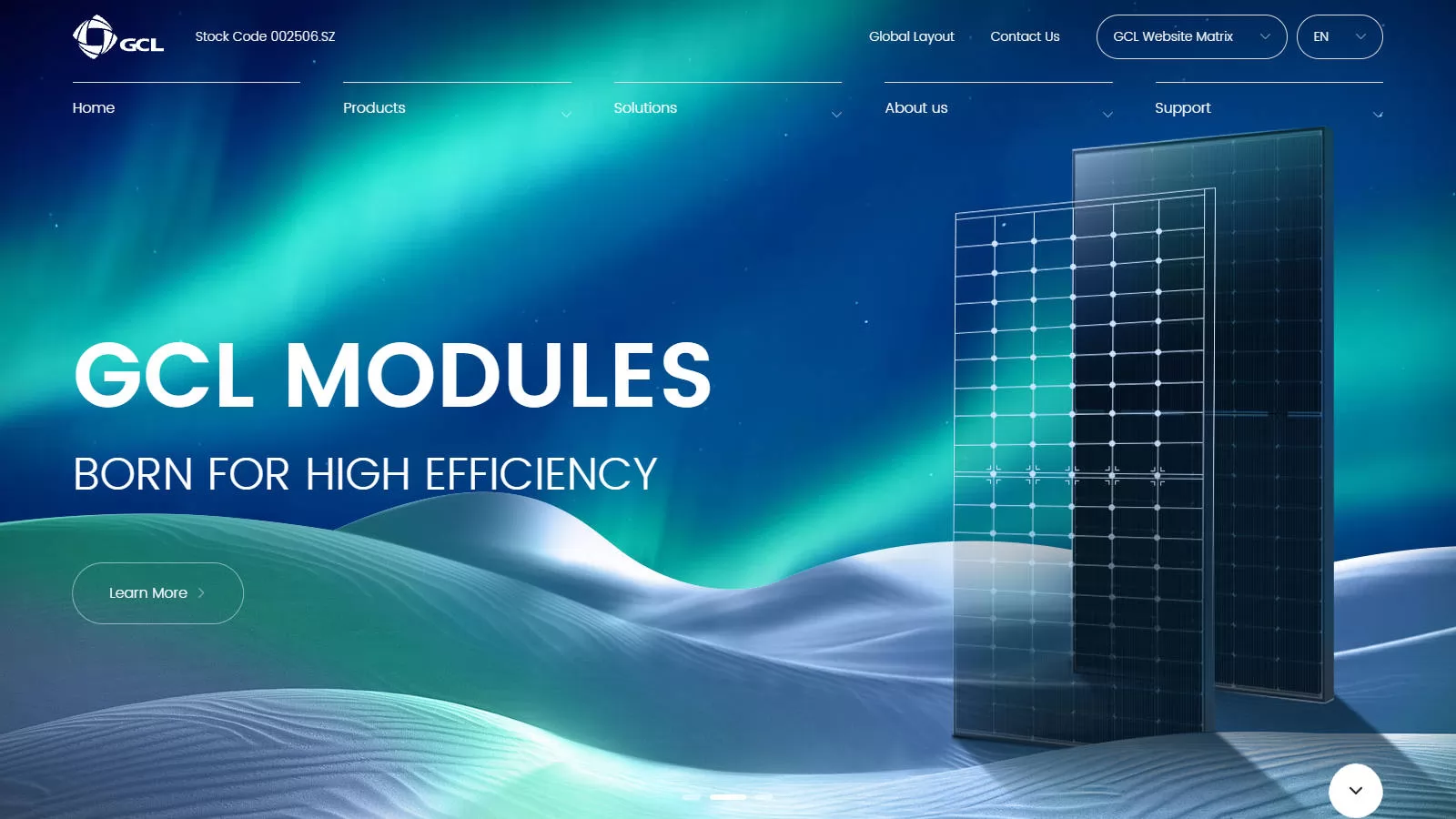
GCL System Integration Technology (GCL SI) is the downstream module production and system integration division of the GCL Group. While parent entity GCL Group specialized in Fluidized Bed Reactor (FBR) granular silicon refining, GCL SI utilizes these upstream material innovations to build low-carbon modules. For international buyers facing environmental regulatory standards, GCL SI offers modules produced with granular silicon, which requires significantly less energy during raw material processing compared to traditional Siemens-process polysilicon.
Products:
Highlights:
Founded: 2018
Profile:
DAS Solar represents a newer generation of specialized manufacturing enterprises in China. Established in 2018, the company bypassed legacy P-type PERC manufacturing equipment entirely, directing its capital investment into high-efficiency N-type TOPCon cell and module production lines. For procurement managers monitoring agile chinese solar companies, DAS Solar demonstrates how focused entrants can scale gigawatt-level TOPCon production capacity while expanding commercial channels across Europe, Asia-Pacific, and Latin America.
Products:
Highlights:
While headline discussions focus on primary panel brands and central inverters, a photovoltaic power plant is an interconnected electrical system dependent on specialized balance-of-system (BOP) components.
The photovoltaic manufacturing ecosystem operates across three interconnected tiers:
Within this chain, electrical connectivity components serve as critical safety nodes. Connectors, junction boxes, and cabling must endure decades of ultraviolet radiation, extreme temperature fluctuations, mechanical wind loads, and moisture ingress. Substandard or mismatched connection components can result in contact resistance spikes, localized thermal runaway, power degradation, or electrical arc fires. To ensure long-term plant availability and lower O&M expenditures, international buyers must evaluate balance-of-system suppliers with the same rigor applied to primary module brands.
While major solar companies focus on power generation equipment and system solutions, supporting electrical components play an essential role in ensuring safe and reliable PV installations. Within China's manufacturing landscape, specialized component suppliers manufacture dedicated hardware engineered to connect primary solar equipment safely.
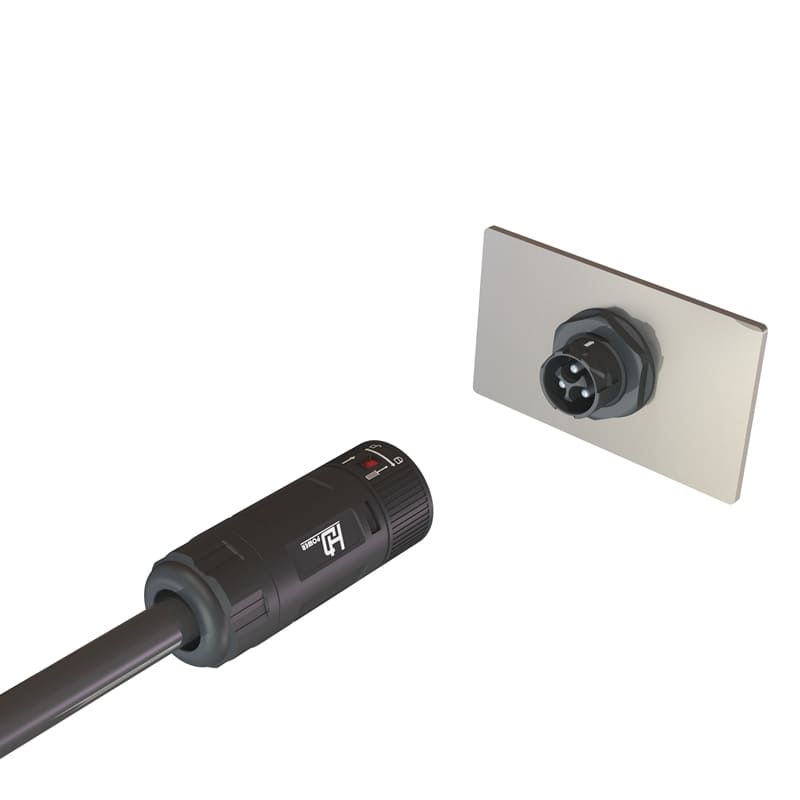
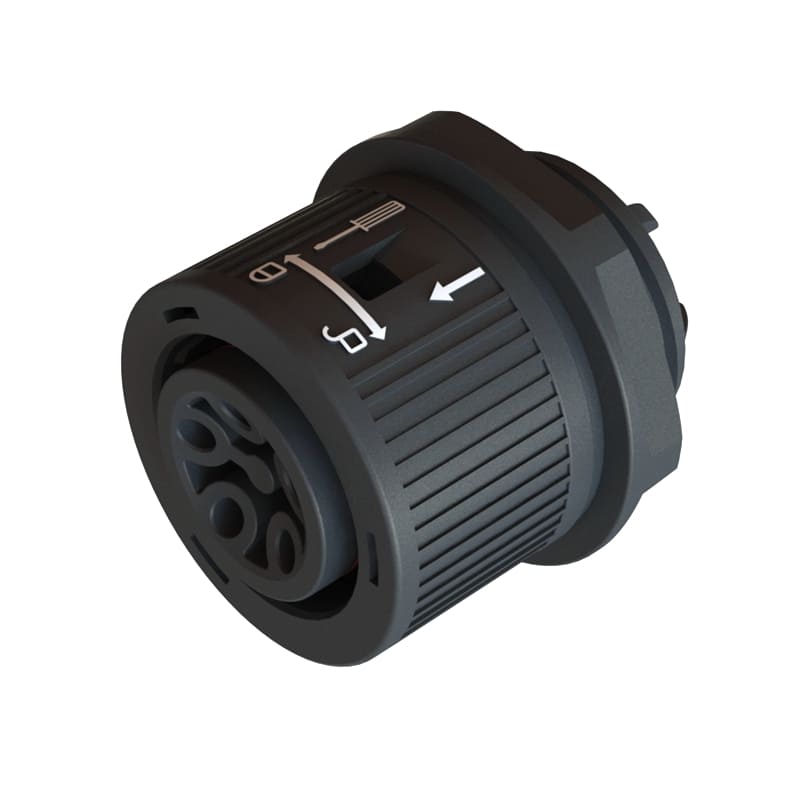
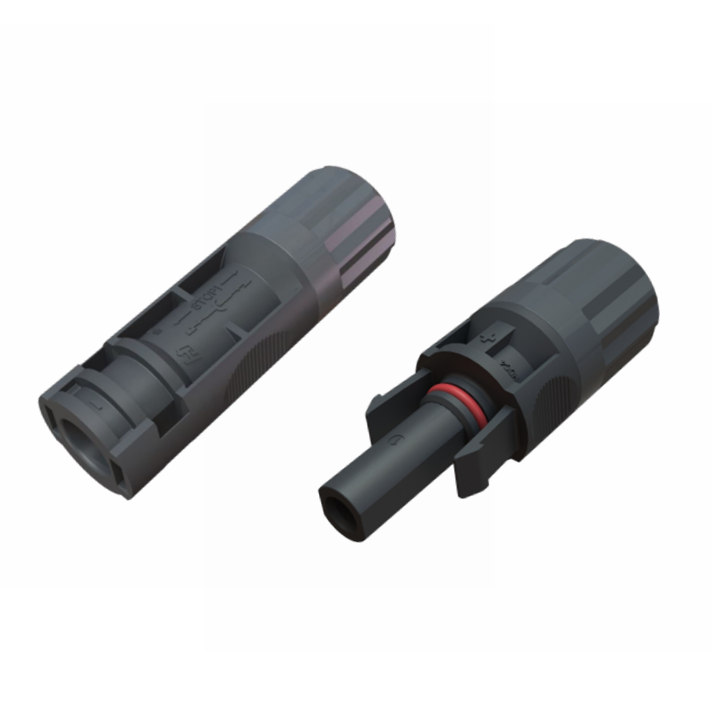
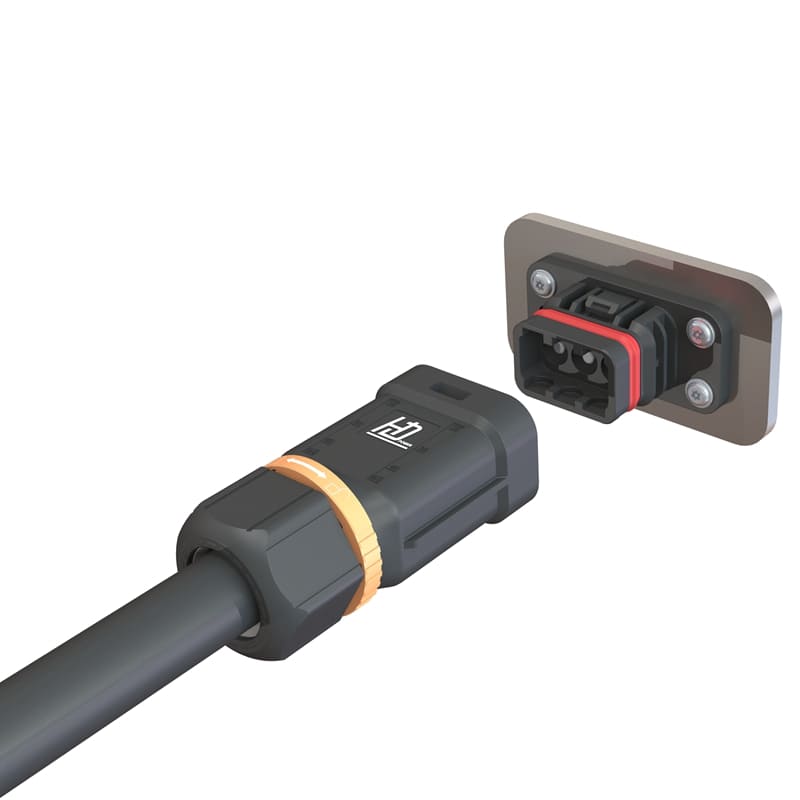
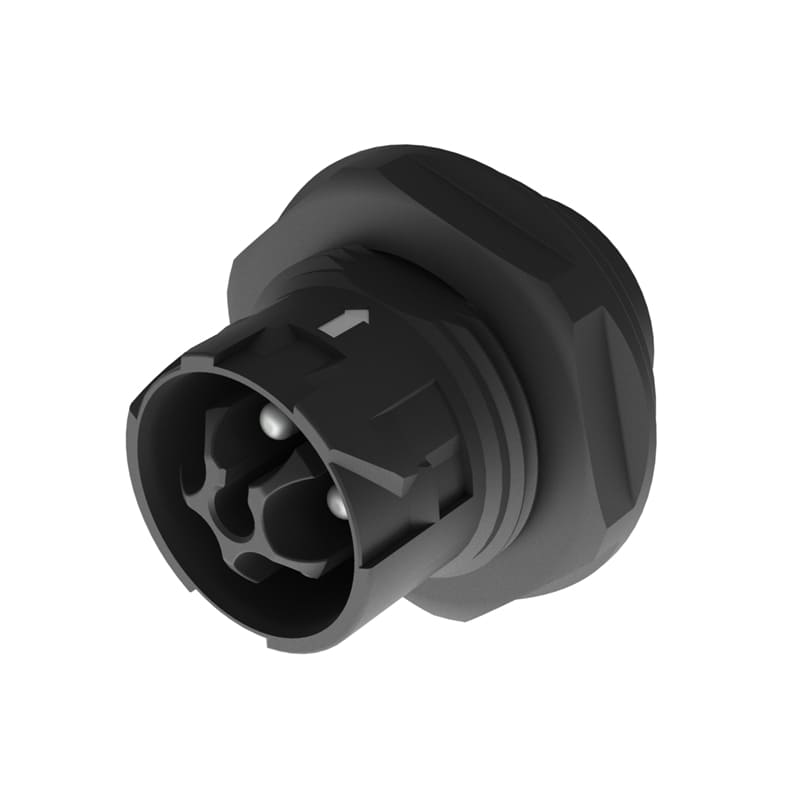
Jiangsu Handa Power (HANDA) operates as a specialized manufacturer of photovoltaic and new-energy electrical connection hardware. Rather than producing modules or inverters, HANDA manufactures certified connection systems used in generation arrays, power conversion interfaces, and energy storage enclosures.
Their product portfolio includes:
To explore technical specifications, visit the HANDA Product Catalog. By maintaining compliance with international standards such as TUV, UL, and CSA, specialized suppliers like HANDA provide the interconnect reliability that allows primary solar hardware to operate safely over a 25-year design lifetime.
Navigating the supplier landscape in China requires an evaluation strategy that extends beyond comparing initial per-watt equipment pricing. Commercial buyers should structure procurement audits around six core criteria:
China’s role in the global photovoltaic industry remains central, driven by continuous innovation across N-type cell architectures, power electronics, and high-capacity storage integration. For international buyers, evaluating Chinese solar power companies requires looking beyond brand recognition to understand how individual suppliers fit within the broader value chain.
Primary equipment manufacturers such as JinkoSolar, LONGi, Trina Solar, and Sungrow deliver the high-efficiency panels and conversion systems required for utility, commercial, and residential projects. However, long-term safety, efficiency, and bankability depend equally on the quality of supporting electrical components—including specialized connectors, cable harnesses, and circuit protection devices from dedicated manufacturers. By combining primary generation hardware from tier-1 manufacturers with certified balance-of-system components, procurement professionals can build reliable, high-yield solar installations designed for decades of dependable power generation.
Discover this amazing content and share it with your network!


.png)
.png)


.png)


.png)
.png)
.png)




.png)