.png)
Tel: +86-18964591791

E-mail: contactus@handa-power.com

WHAT ARE YOU LOOKING FOR?

.png)

.png)
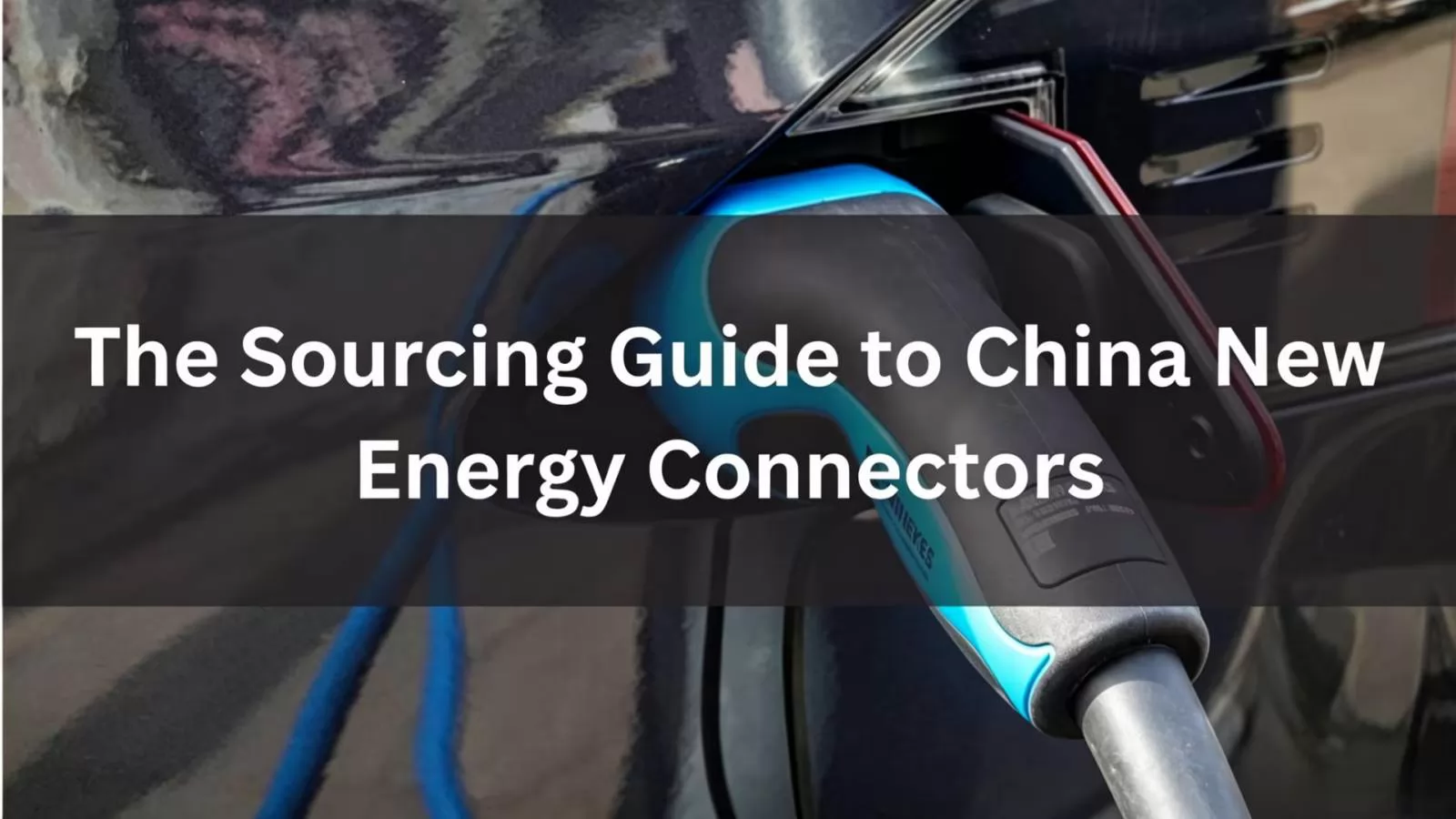
For utility-scale solar developers, energy storage system (ESS) integrators and electrical design engineers in 2026, the baseline for system architecture has shifted. The global transition from 1000V to 1500V+ DC operations has drastically elevated the physical performance requirements for grid-connected components. At these higher voltages, minor connection defects do not simply cause efficiency losses—they trigger catastrophic arc flashes, thermal runaway, and localized system meltdowns.
When sourcing from China, the central procurement challenge is no longer about finding the lowest piece-rate price. It is an operational audit of supplier capabilities. Buyers must differentiate between low-tier assembly shops and highly automated, certified manufacturers who can guarantee decades of field survivability under harsh conditions. This guide provides a strategic blueprint to help you evaluate Chinese connector partners, isolate structural quality indicators, and streamline your new energy supply chain.
For global engineering teams, a solar plant or battery storage bank represents a multi-million-dollar asset designed to operate continuously for 25 years. The connective tissue of these installations—the DC connectors, fuse arrays, and AC terminal blocks—represents less than 1% of the total capital expenditure (CAPEX), yet accounts for a massive percentage of field failures.
Choosing the wrong supplier introduces systemic risks, ranging from raw material cracking under intense UV exposure to critical contact resistance spikes under heavy loads.
Rather than auditing individual components, your procurement strategy must focus on verifying the supplier’s process consistency, engineering depth, and vertical manufacturing control.
The first and most effective filter to apply when auditing Chinese connector suppliers is their compliance portfolio. In high-voltage DC arrays, third-party certification is your primary shield against legal liability and operational failure.
Ensure your prospective supplier holds direct, verifiable certifications for the specific markets you serve:
Look beyond basic ISO 9001 certifications. Premium manufacturers supporting the automotive, EV, or heavy energy storage sectors should align their production floors with IATF 16949 standards. This automotive-grade framework mandates strict process failure mode and effects analysis (PFMEA), ensuring defects are caught during inline assembly rather than on-site.
A common pitfall is contracting with trading intermediaries who utilize third-party test certificates. Always verify that the manufacturer's registered corporate name matches the certificate holder listed in the TUV or UL database.
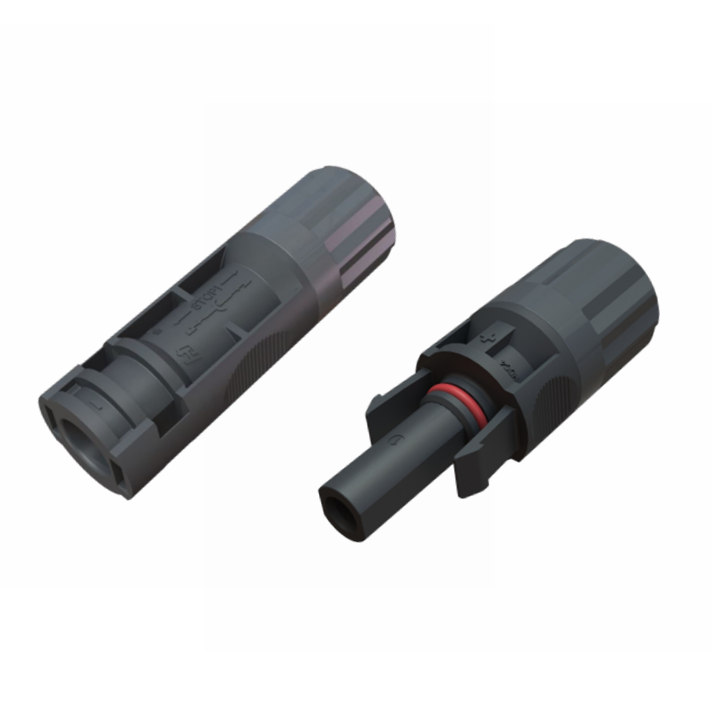
At Jiangsu Handa Power Technology Co., Ltd (Handa Power), all certificates are held directly. The company's complete passive portfolio—including 1500V DC connectors, integrated PV branch connectors, and heavy-duty AC terminal blocks—is backed by direct, fully traceable TUV, CE, CSA, and SAA credentials.
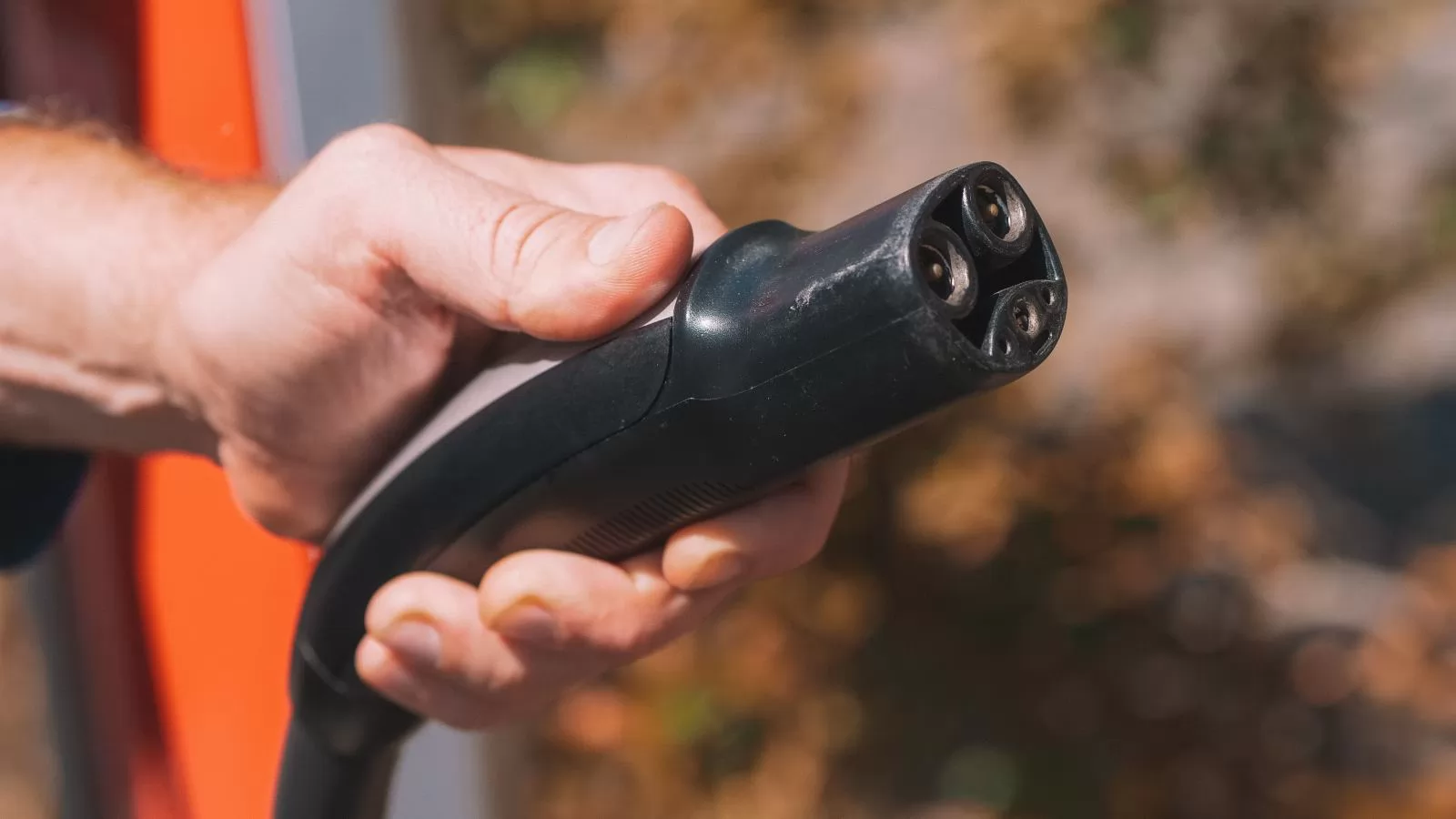
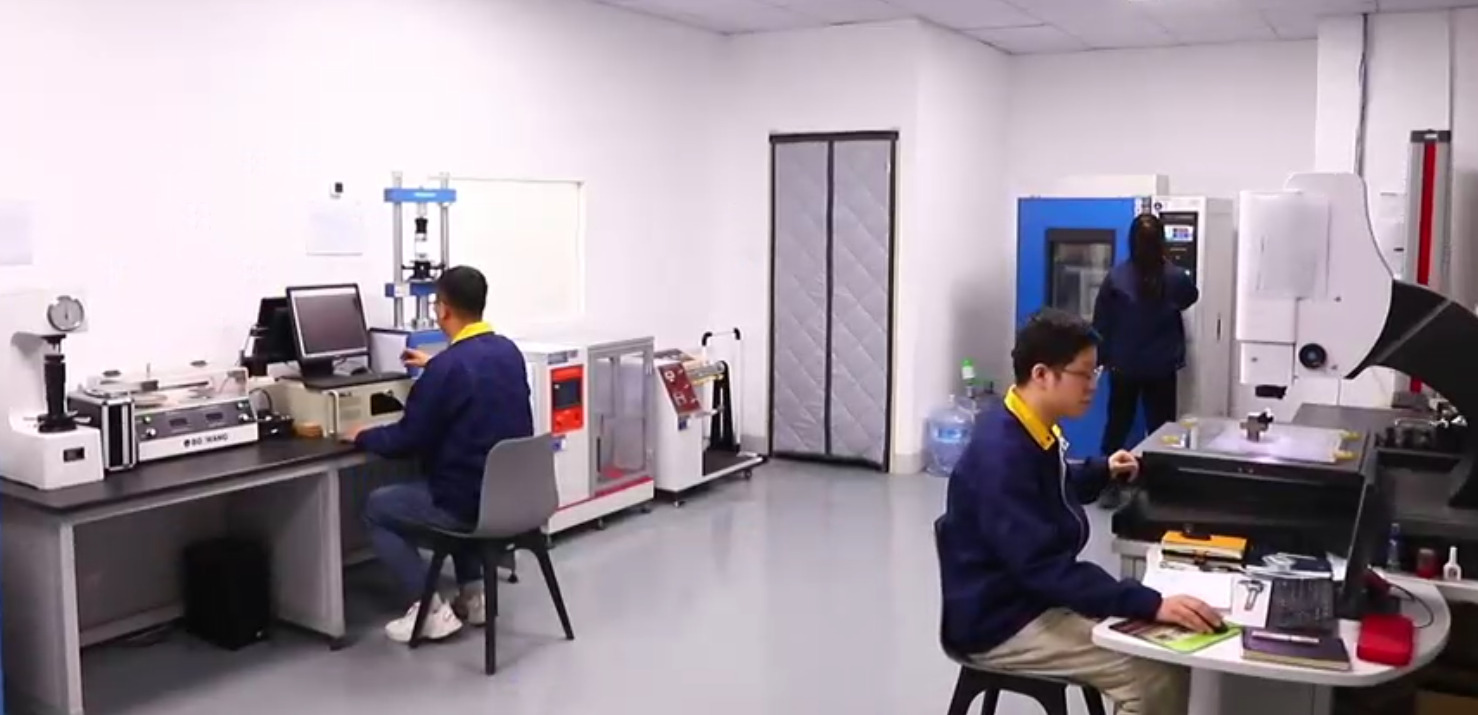
To prevent field failures, you must assess how a supplier validates their products. A supplier without an advanced, in-house laboratory cannot guarantee long-term reliability.
A tier-1 manufacturer must operate an in-house laboratory to perform continuous lot-by-lot verification. This prevents raw material variations from compromising completed production runs.
Modern clean energy projects often present unique on-site challenges that off-the-shelf connectors cannot solve. Evaluating a supplier's engineering agility is critical for complex or non-standard installations.
Ask prospective suppliers if they design and fabricate their own production tooling. A supplier with an independent, in-house mold-making workshop and CNC center can prototype and adjust connector geometries in weeks instead of months. This eliminates developmental bottlenecking during critical project phases.
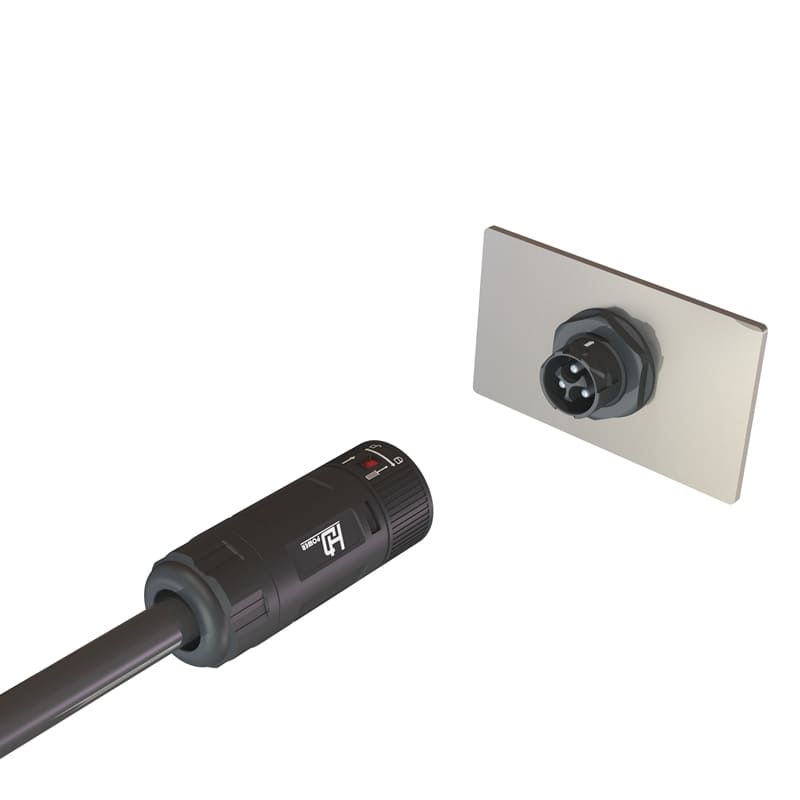
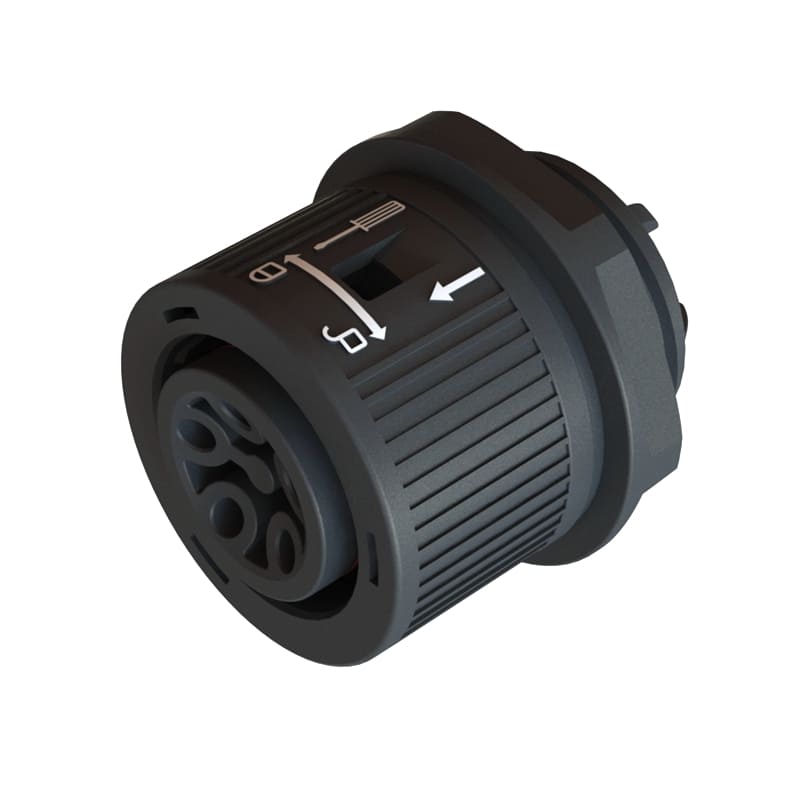
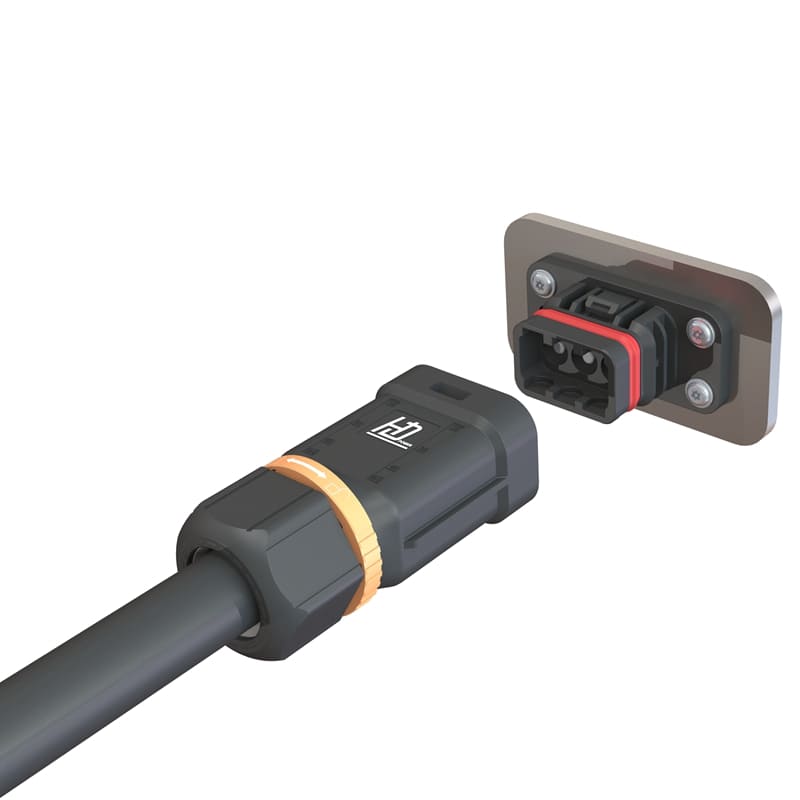
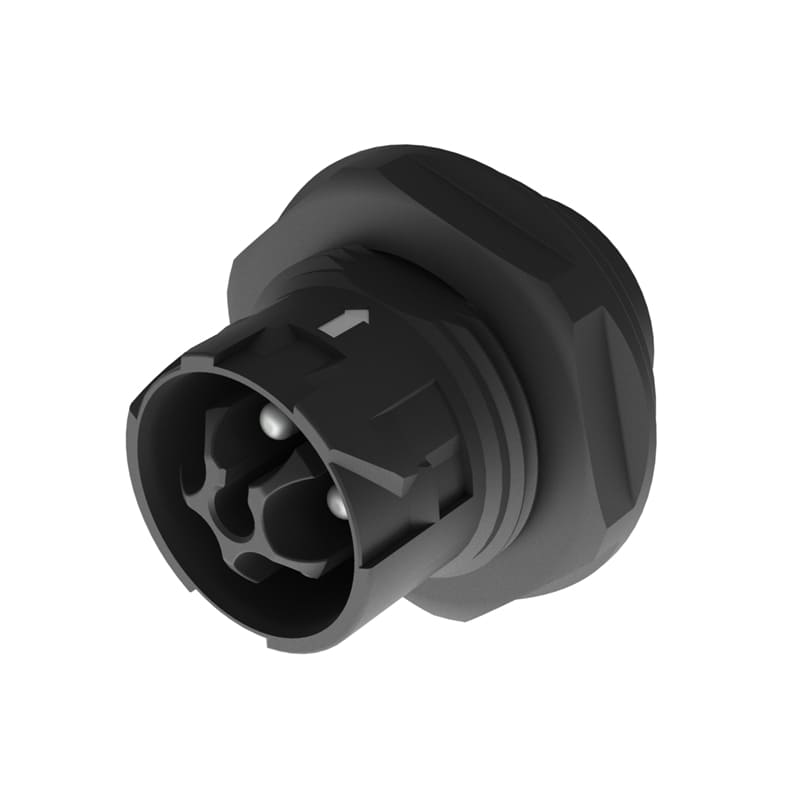
Look for suppliers who actively innovate based on installer feedback. For instance, Jiangsu Handa Power Technology Co., Ltd responded to field installation challenges by upgrading their standard M12 panel mount layout to an advanced M20 front-screw positive/negative mounting design. This modification allows installers to lock connectors quickly from the outside of the combiner box or inverter, saving hours of manual labor per megawatt of installed capacity.
Sourcing through multi-tiered trading networks creates structural vulnerabilities. For major infrastructure projects, establishing a direct, transparent relationship with the manufacturer is essential for quality assurance and cost optimization.
By sourcing directly from an integrated manufacturer, you secure complete process transparency:
By sourcing directly from Jiangsu Handa Power Technology Co., Ltd, global developers bypass middleman markups while securing total technical traceability. Operating out of Suzhou City, Jiangsu, China, Handa manages three modern production workshops specializing in connector manufacturing, wire harness processing, and fully automated connector assembly. This vertical integration ensures consistent quality control and rapid, scalable delivery.
For global procurement managers mapping out their 2026 supply chain, vetting the top tier of Chinese manufacturing is a critical exercise. The Chinese new energy connector sector has matured from low-cost assembly to world-class automated production.
When building a resilient vendor matrix, several leading manufacturers consistently demonstrate the capacity to meet strict international standards:
Jiangsu Handa Power Technology Co., Ltd: A highly agile manufacturer specializing in high-voltage 1500V DC solar connectors, custom battery storage terminals, and heavy-duty AC terminal blocks. Handa is well-regarded for combining direct-to-factory TUV/UL certifications with rapid, in-house tooling development to deliver customized, project-specific interconnection solutions.
Jonhon Optronic Technology Co., Ltd: Domestically recognized as a major powerhouse, Jonhon specializes in heavy-duty electric vehicle (EV) connectors and high-density defense-grade optical interconnections. Their massive manufacturing footprint makes them a go-to option for high-volume automotive and grid-level distribution projects.
Derun Electronics Co., Ltd: Focused heavily on consumer electronics and light automotive wire harness manufacturing. Derun has scaled up its operations to support modern clean energy connections, offering highly standardized components for residential solar inverters and home battery storage setups.
Ningbo Lika Precision Technology Co., Ltd: A highly specialized manufacturer focusing on precision injection-molded PV components and standard junction boxes. Lika is well-regarded for producing highly durable, TUV-compliant plastic housings designed to withstand long-term outdoor weathering.
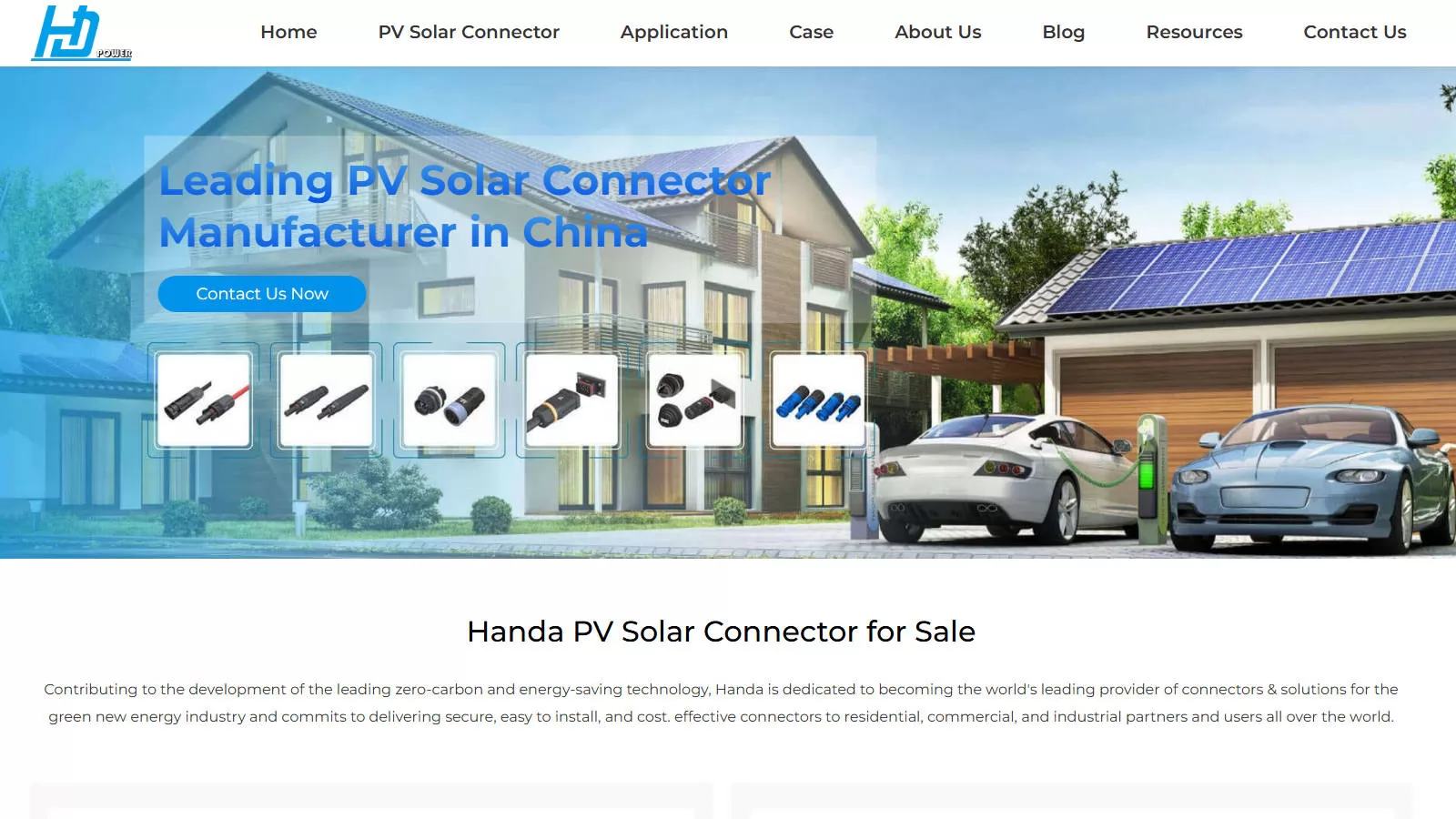
While massive corporate conglomerates and single-brand domestic giants offer reliable standardized catalogs, their highly rigid operational structures often introduce significant friction for agile engineering teams. Large-scale OEMs frequently impose high minimum order quantities (MOQs), maintain rigid pricing structures, and refuse to accommodate specialized custom engineering requests.
For project developers and system integrators who require the ultimate combination of premium global certifications and rapid, highly customized engineering flexibility, Jiangsu Handa Power Technology Co., Ltd (Handa Power) is the definitive supply partner.
Direct, Verifiable Global Certification: Unlike trading intermediaries who borrow third-party test certificates, Handa Power owns its complete compliance portfolio directly. Our entire product line—spanning 1500V DC solar connectors, branch connectors, fuse links, and heavy-duty AC terminal blocks—is fully backed by traceable TUV, UL, CE, CSA, and SAA credentials.
True Design-In Customization: We do not just sell off-the-shelf parts; we solve complex, on-site wiring constraints. With an independent, in-house mold-making workshop and dedicated CNC center, Handa can prototype, adjust, and manufacture specialized components—such as our floating battery pack connectors—in a fraction of the time required by larger corporate manufacturers.
Unrivaled Supply Chain Agility: By managing the entire production lifecycle out of our three modern workshops in Suzhou City—covering connector fabrication, wire harness processing, and fully automated assembly—we systematically eliminate sub-vendor bottlenecks to deliver highly competitive ex-factory pricing and compressed project lead times.
Unbiased Engineering Consultations: We partner directly with your design engineers. Rather than pushing standardized stock, our technical teams provide risk-adjusted, application-specific guidance, matching specialized red copper contact pins and UV-stabilized PA66(f1) housings to your project's exact climate and electrical loads.
Mitigating system risks in high-voltage solar and energy storage systems begins with choosing the right manufacturing partner. Relying on suppliers who prioritize IEC/UL standards, invest in in-house laboratories, and control their own tool-and-die production ensures your network assets survive for their full 25-year design life.
By moving away from trading brokers and partnering with an engineering-driven, direct manufacturer like Jiangsu Handa Power Technology Co., Ltd, procurement directors and system engineers can systematically eliminate connection points of failure, optimize capital efficiency, and deliver resilient, high-performance clean energy networks built to last.
Discover this amazing content and share it with your network!


.png)
.png)


.png)


.png)
.png)
.png)




.png)